
FIELD APPLICATIONS
Technology proven outside the laboratory.
Since 2014 the SENNZE architecture has been applied in real operations — from industrial machines of different generations to remote processes that have to keep being monitored even without an external connection.
See applications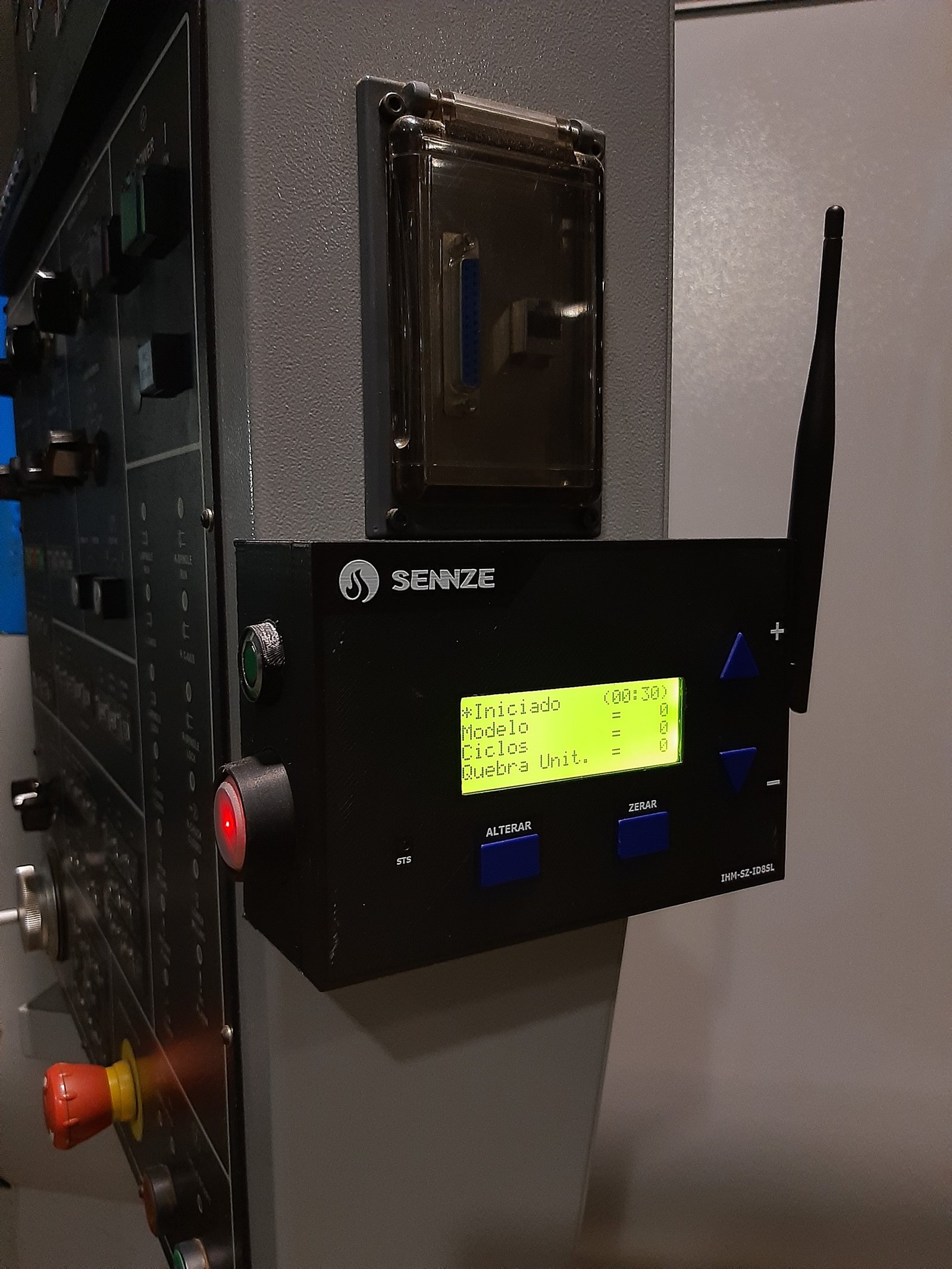
REAL PROBLEMS, REAL APPLICATIONS
The application changes. The technology base stays.
The examples below are not laboratory demonstrations. They are different ways of applying the same architecture to real limits of infrastructure, machines, processes and operation.
INDUSTRIAL LINE WITH NO NETWORK INFRASTRUCTURE
When the path of the data is the real problem
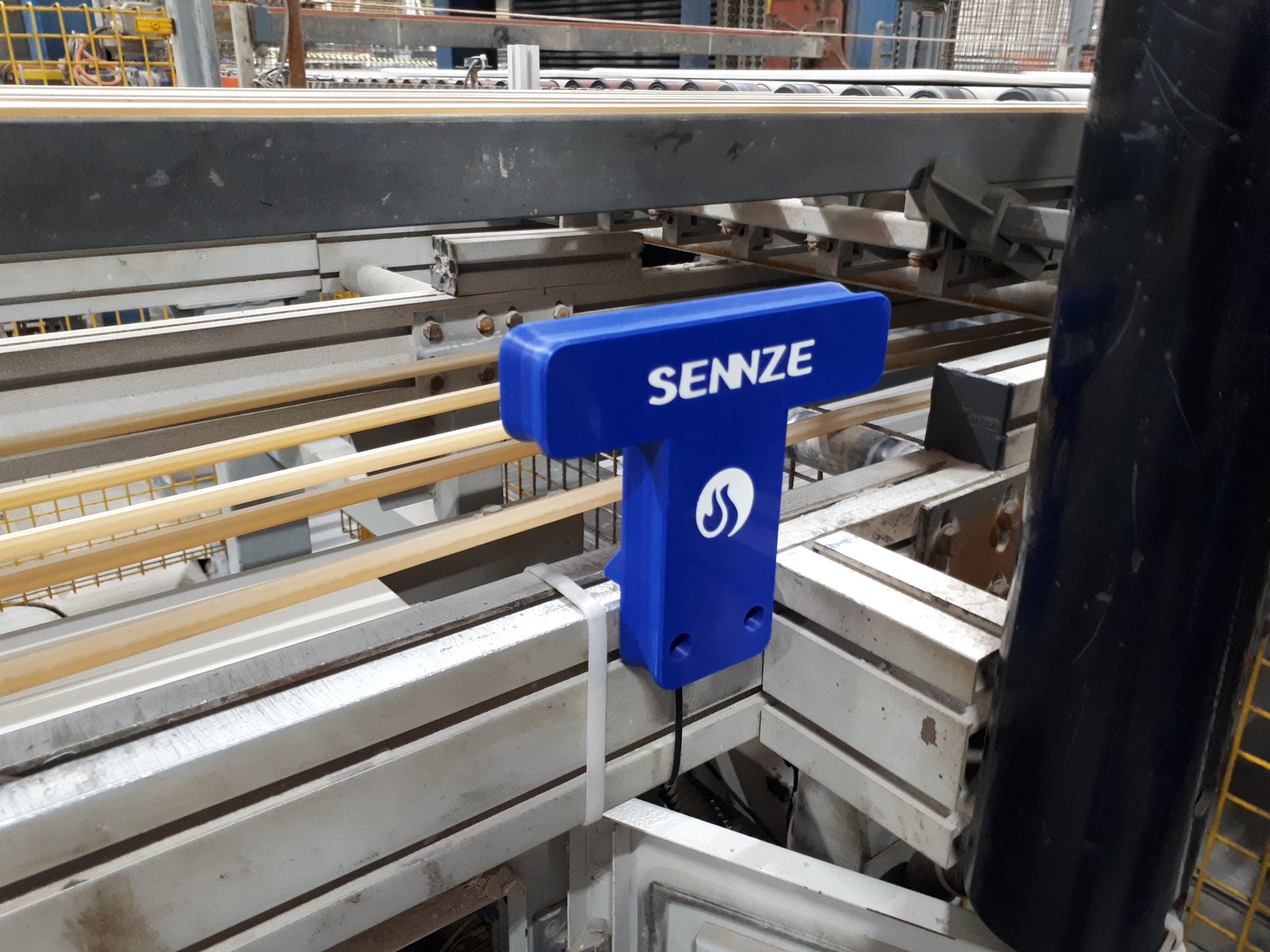
On an industrial line that was not part of the plant's original infrastructure, running a network to every panel would have meant adding cabling and construction to the project. Acquisition had to reach the machines without turning the rollout into an infrastructure project.
Communication was adapted to the environment: controllers next to the machines and communication concentrated into a gateway connected to the local network. The instrumentation became part of the process without requiring a network point for every unit.
Acquisition next to the machinesCommunication adapted to the environmentOne point of integration with the network
MACHINES OF DIFFERENT GENERATIONS
The same platform does not require every machine to be alike
Within one industrial operation, SENNZE came to monitor families of equipment of very different natures — from casting and machining processes to cutting, joining, forming and finishing. What they have in common is not the machine: it is identifying which information exists and how to obtain it without replacing the original control.
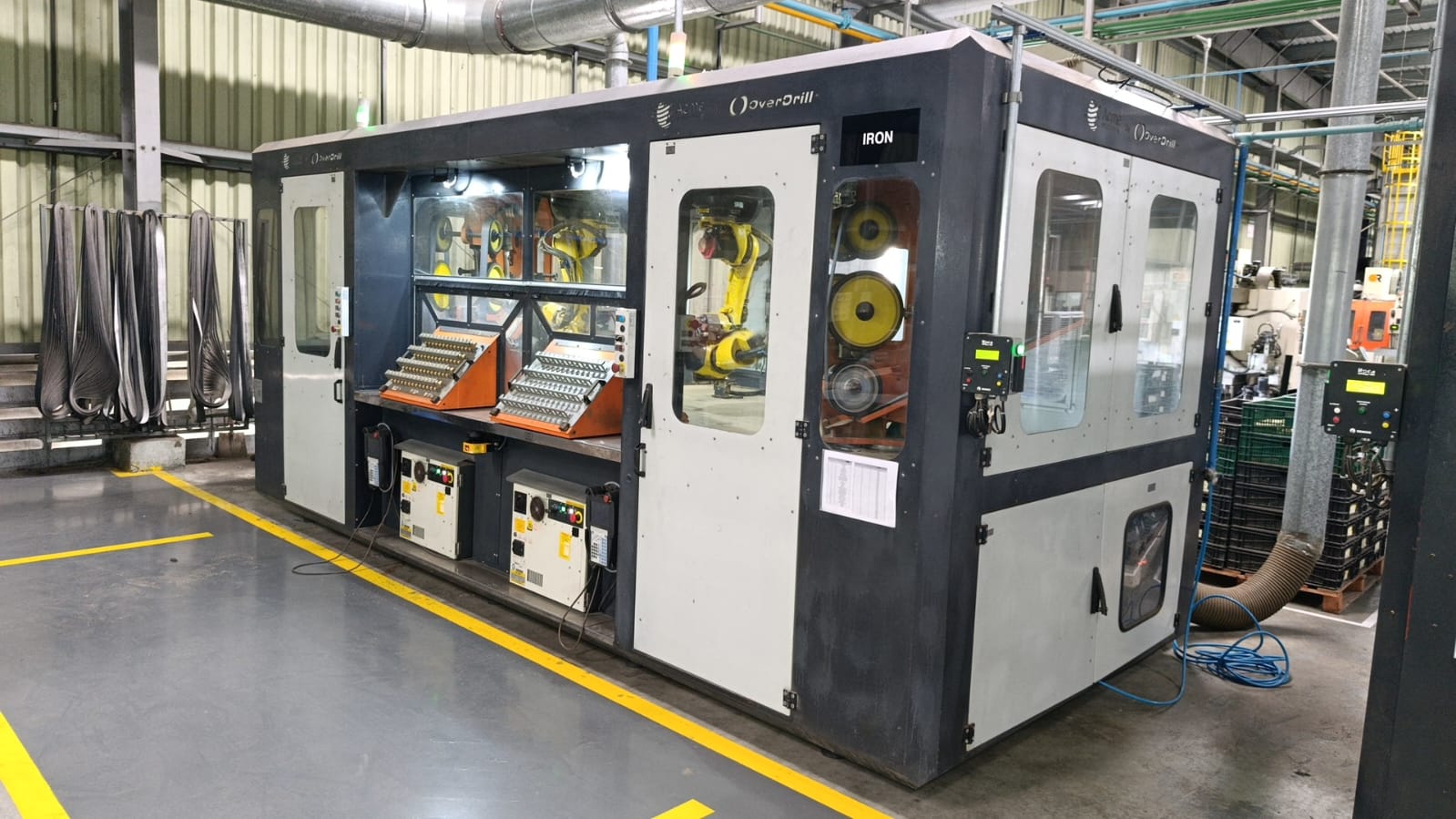
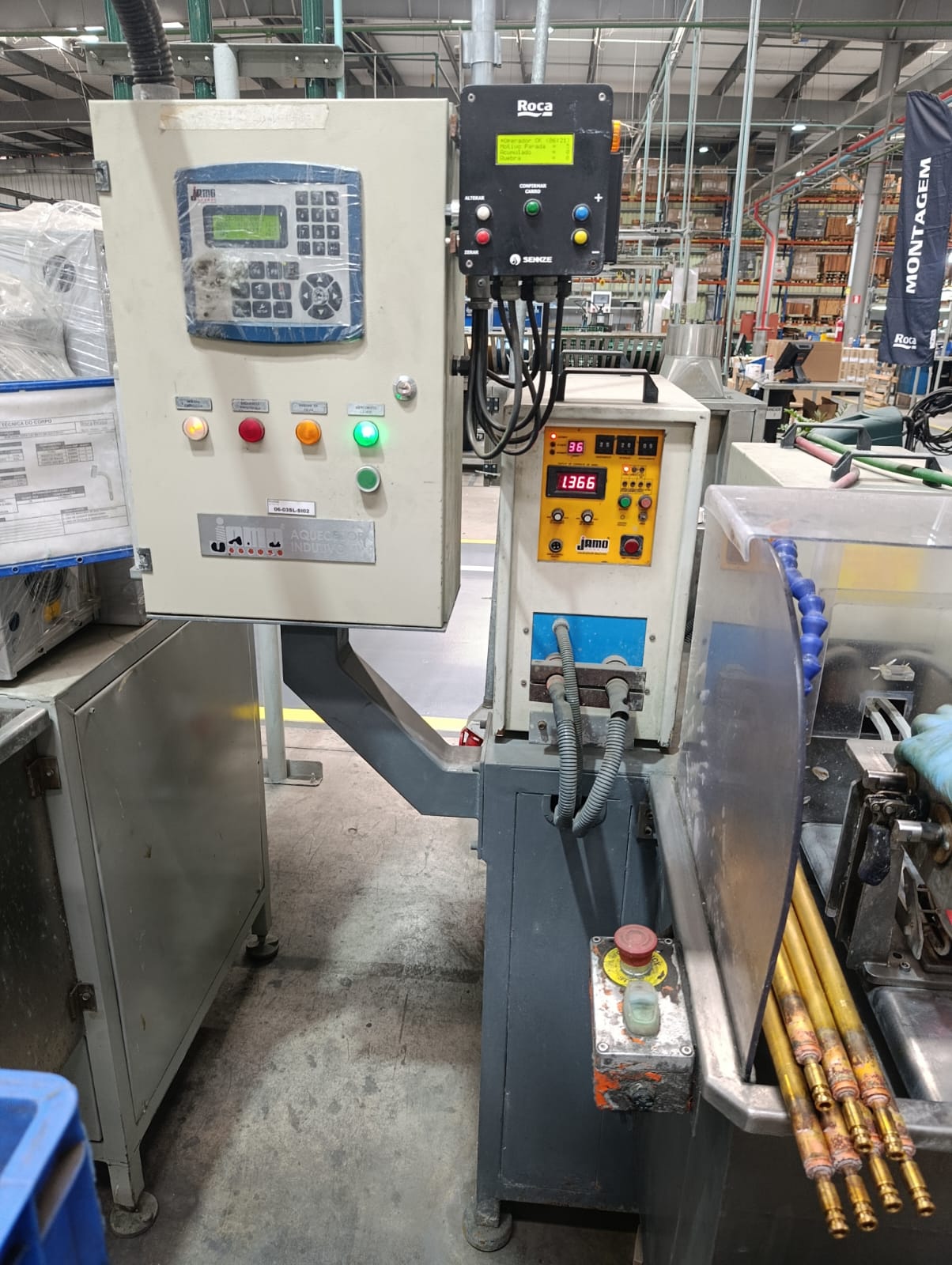
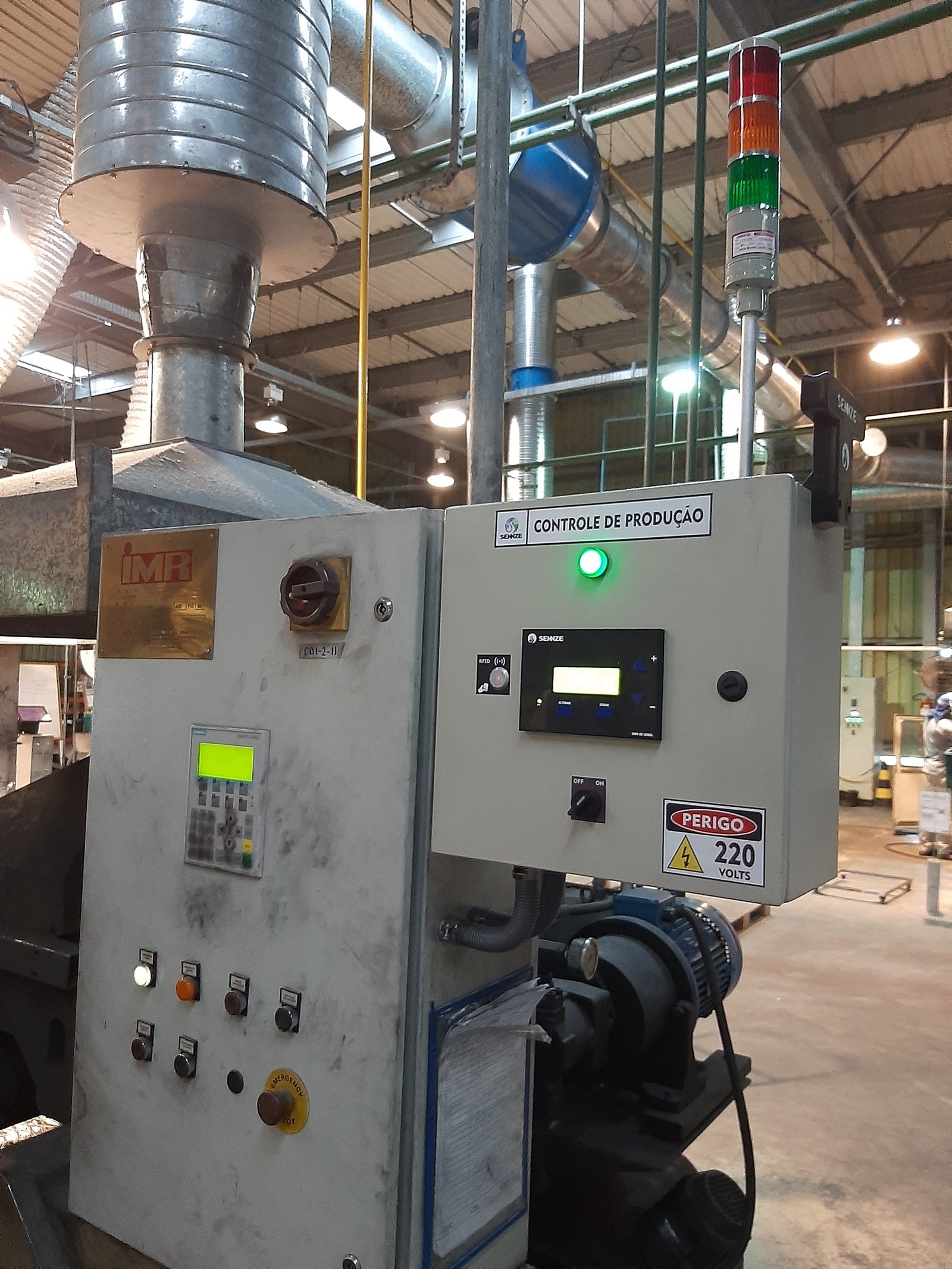
The variety of machines is precisely the proof: the architecture adapts to the process, instead of requiring the process to adapt to the platform.
CONTINUOUS MONITORING IN A REMOTE OPERATION
The architecture was born where the internet was never a premise
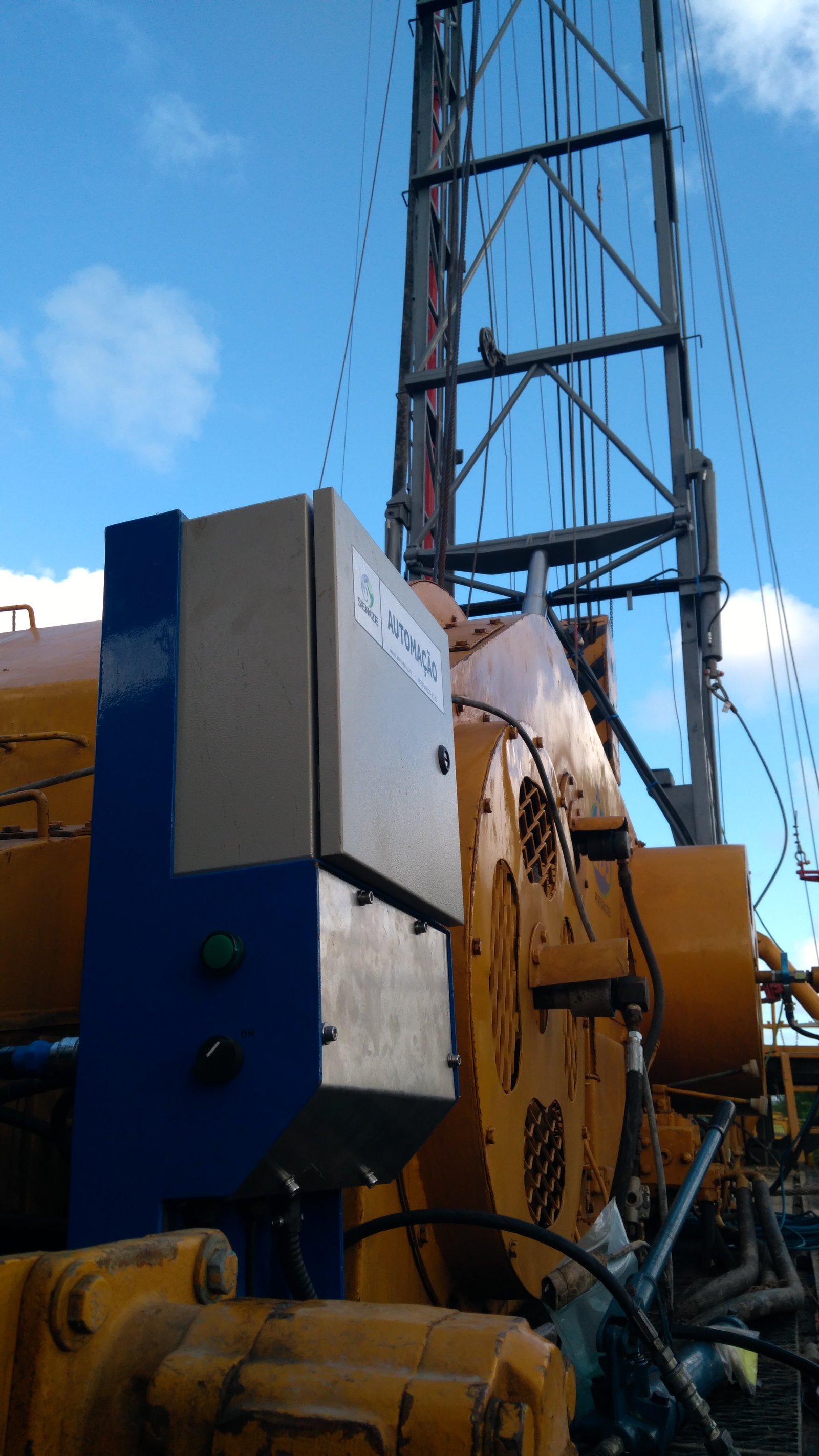
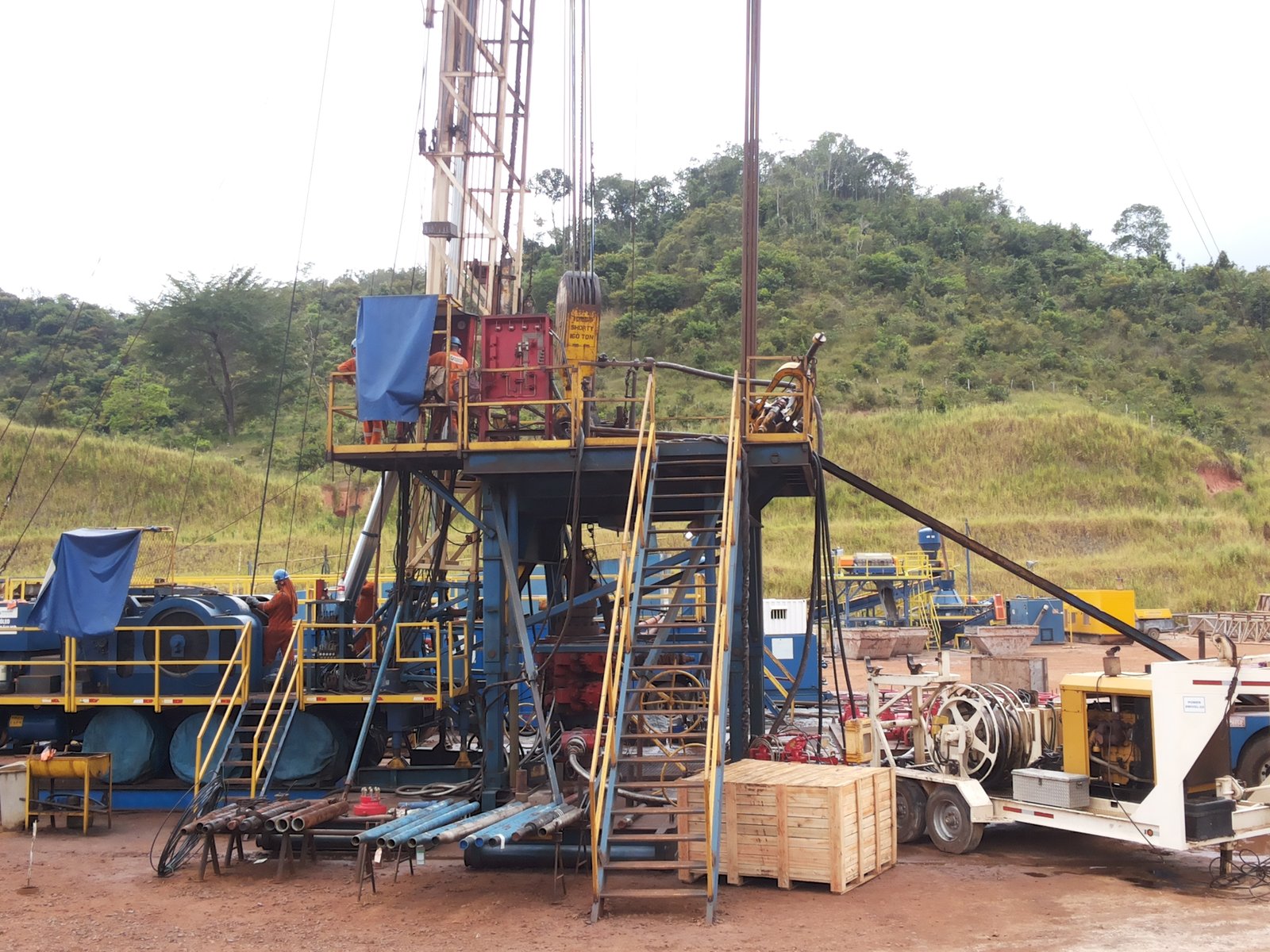
The first SENNZE applications were in workover operations, where variables have to be recorded continuously and the communication infrastructure can be limited or unstable. In that context, depending on an external connection in order to keep acquiring data was not an option.
That origin defined a characteristic that stayed with the platform: acquisition and processing close to the operation, with external connectivity used to widen access and synchronization — not to make local monitoring possible.
Process variablesContinuous historyLocal + web architecture
WHEN THERE IS NO SIGNAL TO ACQUIRE
Manual stations are part of the operation too
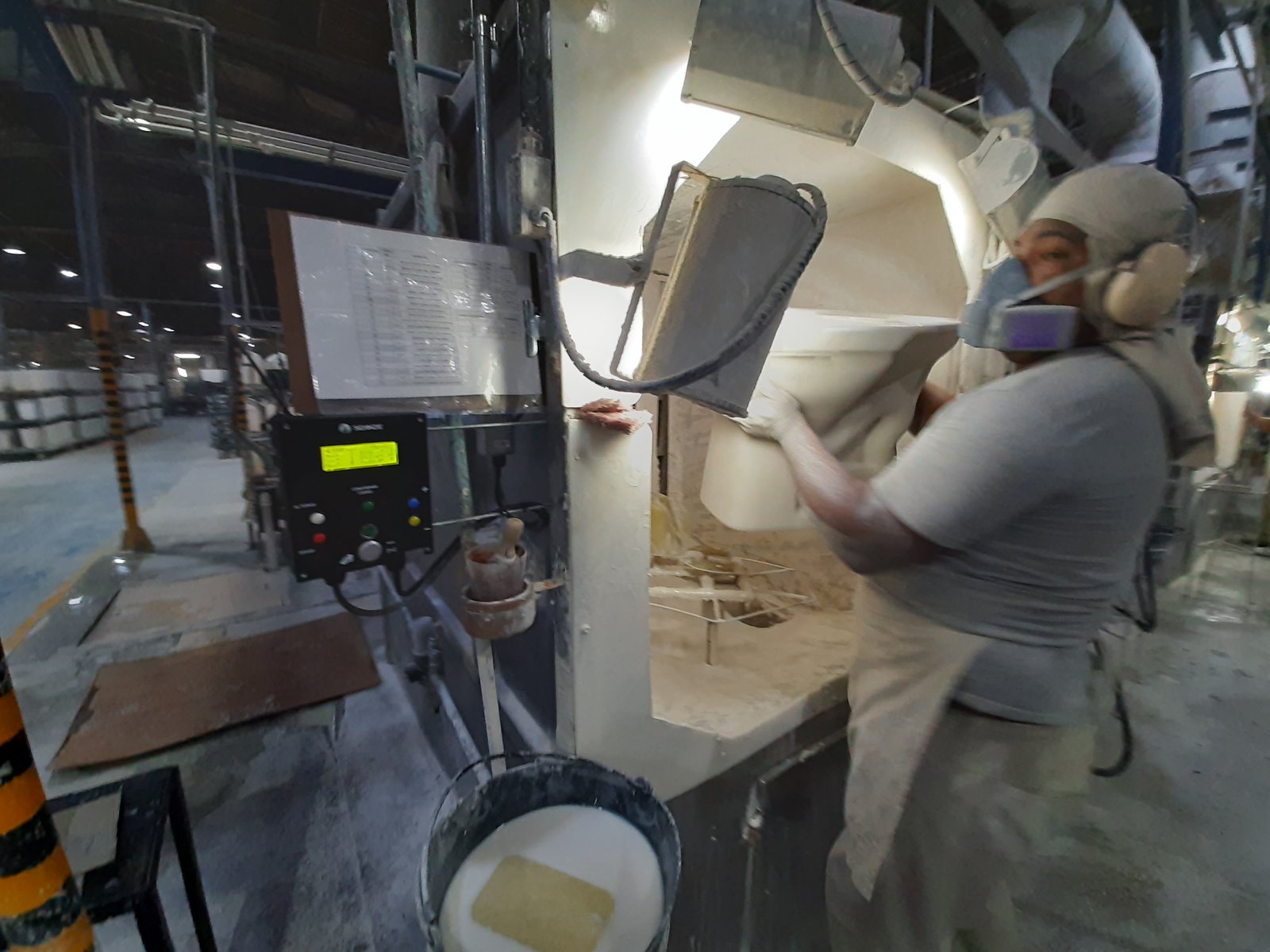
Not all work happens on an instrumented machine. There are stations where the relevant information comes from the operator's own activity and there is no electrical signal or protocol available to represent what happened.
At those points the operational record can be entered through the local application and share the same structure used by the automatic data. That way instrumented machines and manual stations stop forming islands of information.
REPROGRAMMABLE HARDWARE
When the application changes, the equipment does not have to become scrap
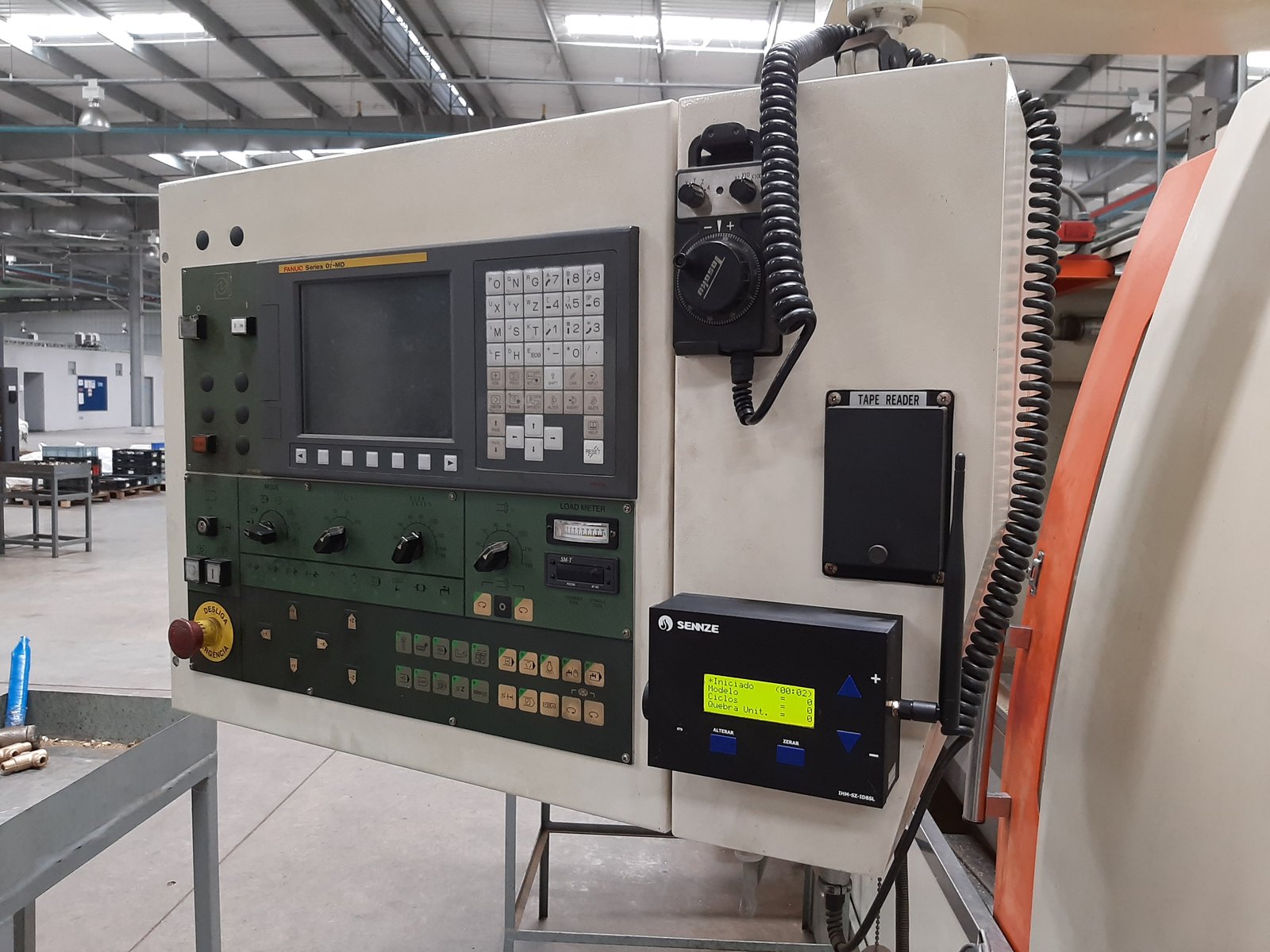
SENNZE units already installed in one application were reused in another process and received different firmware to take on new functions. The same hardware went on to serve machines and stations with distinct needs.
That reuse is a consequence of an architecture in which hardware, firmware and application configuration were designed as separable parts. The function of the equipment can evolve without forcing the whole installed base to be replaced.
INFORMATION GIVEN BACK TO THE OPERATION
The cycle does not end when the data reaches the database
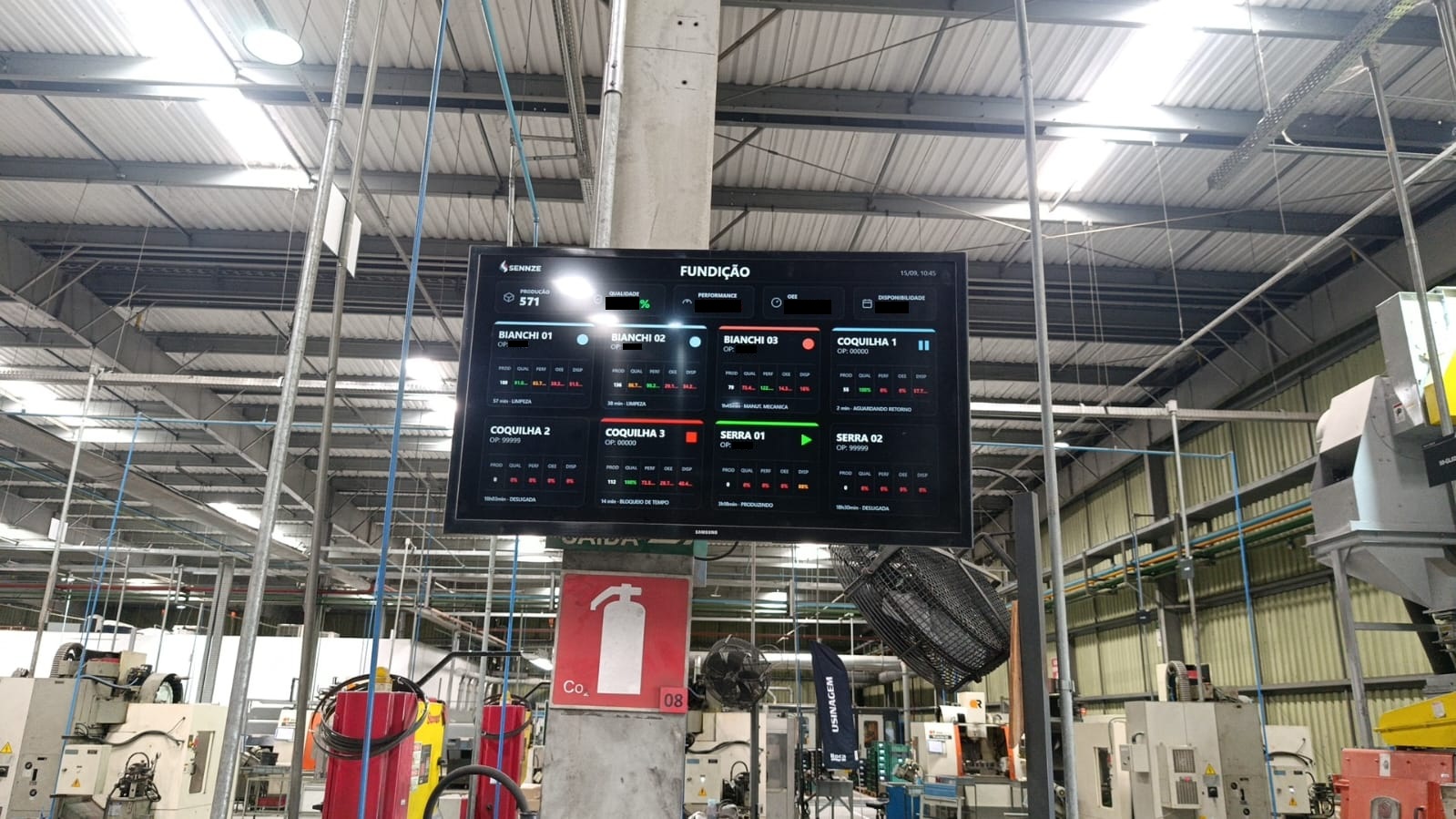
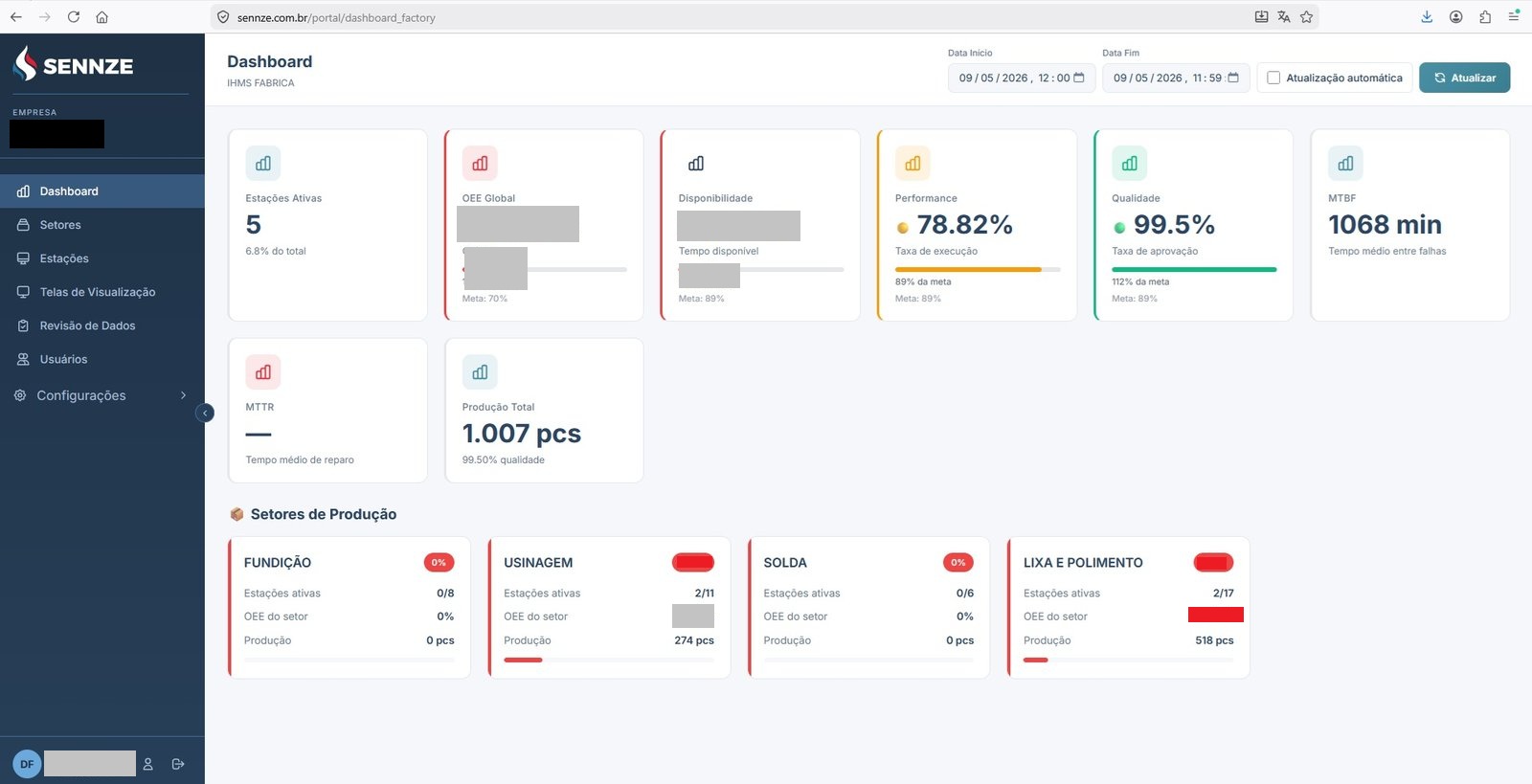
In industrial applications the information acquired goes back to the operation itself, on dashboards and monitoring screens. Output, states and indicators stop existing only as history and become part of the routine of the people monitoring the process.
WHAT THESE APPLICATIONS SHOW
An architecture built to meet the operation where it is
Adaptable architecture
The process defines the form of acquisition, not the other way around.
Integration with what exists
Machines and infrastructure can be used wherever the application allows.
Local processing
The continuity of the local operation does not have to depend on the external connection.
A single technology chain
Acquisition, communication, processing and platform are part of the same SENNZE architecture.
NEXT APPLICATION
Your operation could be the next application.
Show us the process, the signals available and what needs to be monitored. From there we assess how the technology can fit — and also where it should not be applied.
Talk to SENNZE