
WHERE SENNZE CAN COME IN
The operational problem matters more than the sector.
Existing machines, remote points, variables measured over time, manual stations and environments with limited infrastructure are all scenarios in which the SENNZE architecture can be assessed.
See the signs of fit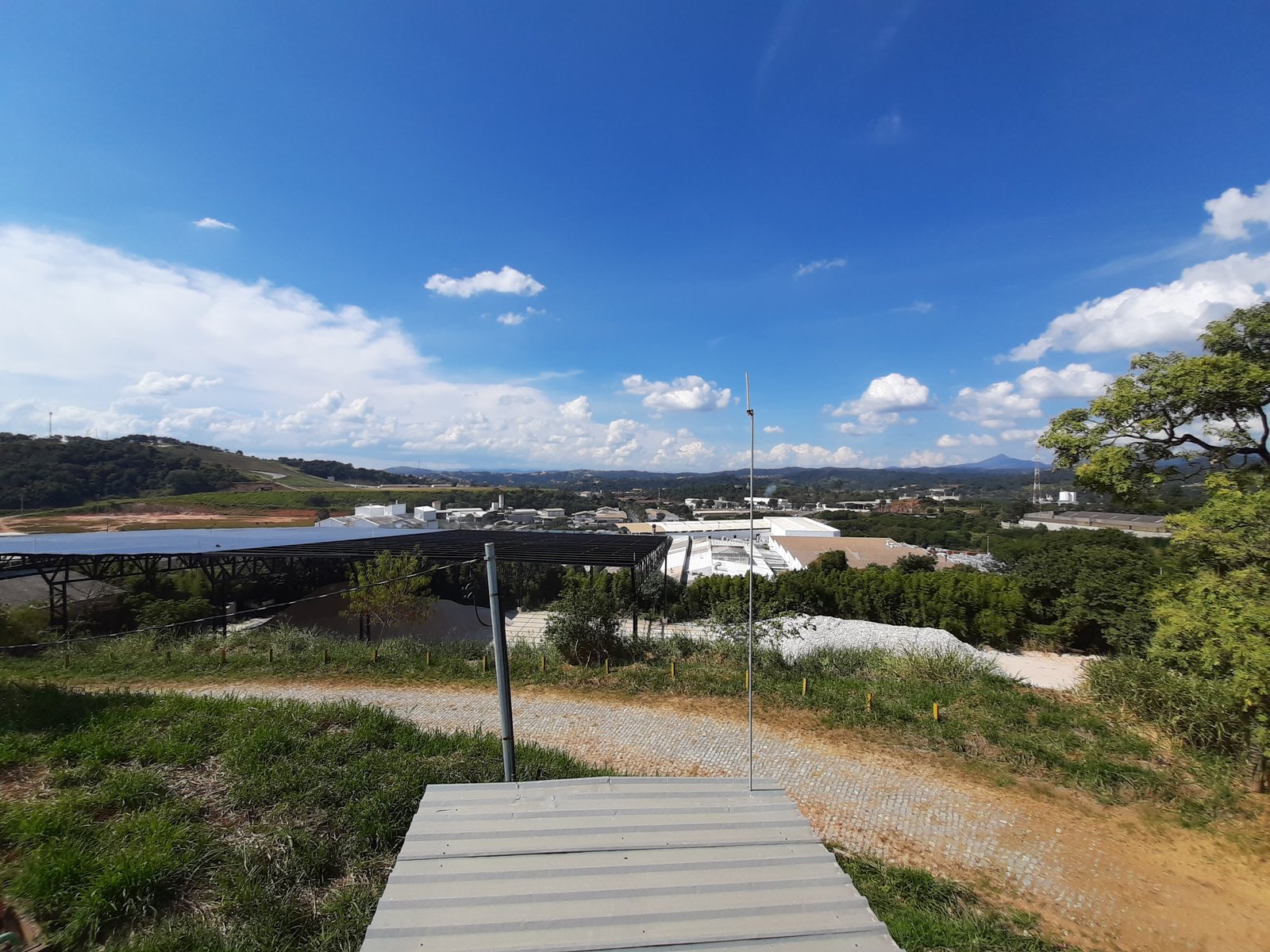
SIGNS OF FIT
Some characteristics show up in very different operations
SENNZE does not depend on a single type of industry. The assessment starts from the characteristics of the process, the data available and what needs to be monitored.
There is a useful signal, but it never reaches management
States, pulses, analog variables, industrial communication or other information already available on the equipment.
The measuring point is far away
Distance, physical layout or infrastructure make conventional communication impractical.
The internet cannot be a requirement for acquiring data
The operation has to keep recording and processing data locally even without an external connection.
Part of the process is still manual
Output, states, operators or process information depend on entries made by people.
The history matters as much as the current value
It is necessary to reconstruct what happened, when it happened and how the operation evolved.
The operation mixes different technologies
Machines, sensors and stations of different generations have to feed one common operational view.
THE CRITERION IS TECHNICAL
What changes is the application. The technology base stays.
Reading a piece of information in the field, transporting it, processing it and presenting it with context is a need that shows up in different operations.
The sensor, the protocol, the frequency, the vocabulary and the form of visualization can change. That is why technical applicability has to be assessed case by case.
FIELD DATAMachine · sensor · operator
+OPERATIONAL CONTEXTTime · process · condition
→SENNZEAcquisition · processing · visualization
A REAL EXAMPLE
When the measuring point is far from where the information is used
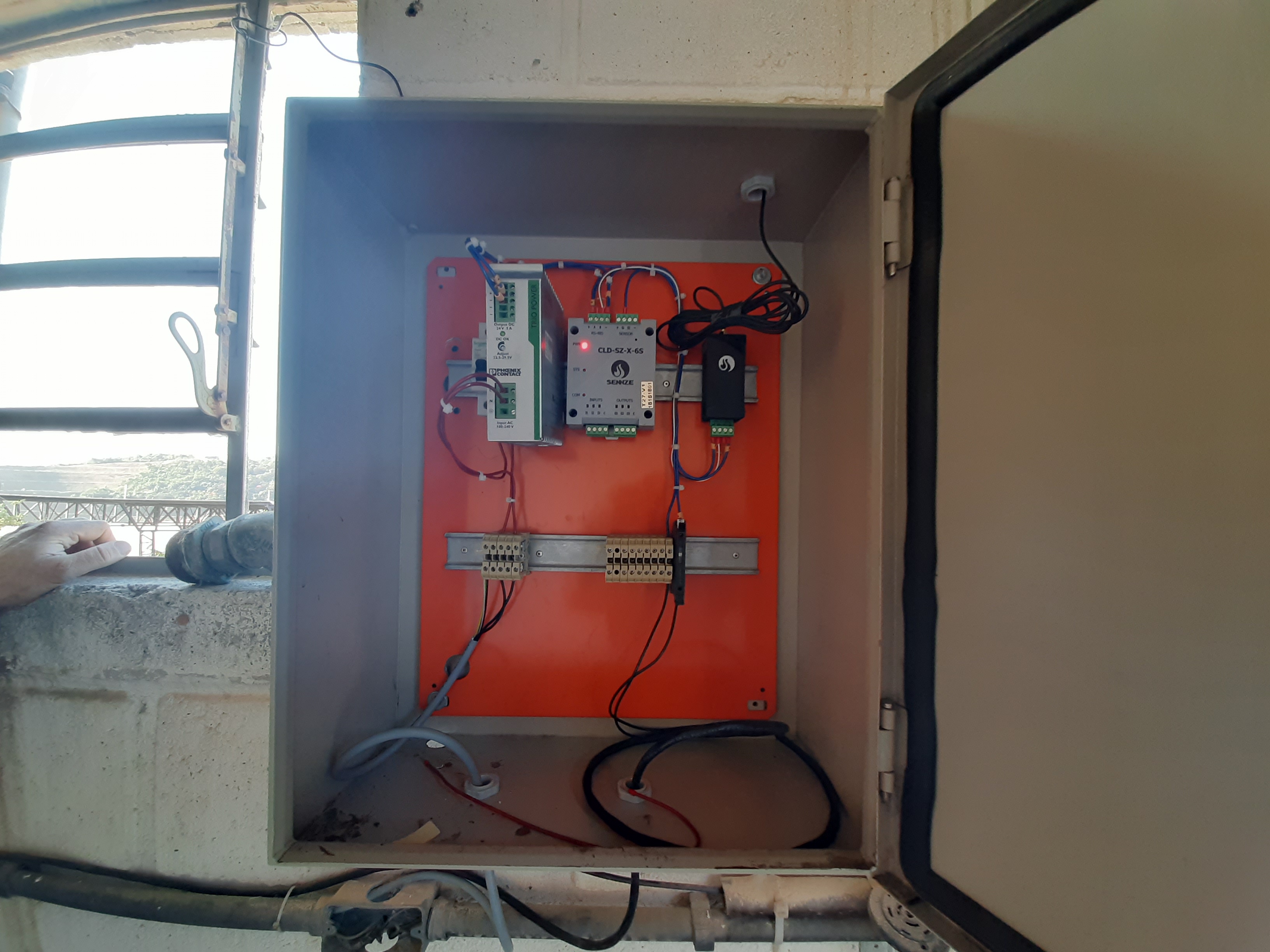
In an industrial application, the level of a tank located outside the plant's main area had to reach the existing system without depending on cabling that kept failing.
The solution combined measurement, radio communication and integration with the infrastructure already installed. The example is industrial, but the technical problem — measuring at a remote point and delivering the data where it is needed — does not belong to a single sector.
It is that kind of operational characteristic, and not just the name of the market, that guides the assessment of a SENNZE application.
OTHER POSSIBLE SCENARIOS
The architecture can be assessed beyond the markets where we already operate
The examples below represent technical affinity with problems SENNZE already solves. They are not presented as installed cases.
Agriculture and livestock
Silos, tanks, dryers, irrigation and other distributed points with variables that need to be monitored.
Logistics and warehousing
Docks, cold rooms, equipment and stations where times, states or operational records need to gain visibility.
Mining
Equipment and remote points in environments where distance and infrastructure can make conventional acquisition difficult.
Utilities
Water, energy, industrial refrigeration and other processes in which quantities are continuously monitored over time.
Construction and mobile operations
Equipment and work fronts in temporary environments or with limited infrastructure.
Other operations
Processes that combine field data, a need for history and operational information can be assessed technically.
Applicability does not mean a ready-made solution: every environment requires assessment of signals, instrumentation, communication, safety and operating requirements.
WHERE FIELD EXPERIENCE ALREADY EXISTS
Applicability and proven experience are different things
SENNZE already has real applications in industrial environments and in oil and gas operations. The other scenarios on this page show technical possibilities, not cases that do not yet exist.
See field applicationsFIRST ASSESSMENT
To find out whether it fits, we start by understanding the operation
You do not need to arrive with a finished specification. A description of the process and the problem is already enough to start the conversation.
From there we assess what data exists, how it can be obtained and what information has to reach the operation or management.
ProcessWhat happens in the operation?
Data availableWhich signals, sensors or records already exist?
EnvironmentWhere are the points and what constraints are there?
GoalWhat has to be seen, recorded or analyzed?
SHOW US THE OPERATION
The problem does not have to fit a ready-made category.
Tell us what needs to be monitored, where the information comes into being and where it has to arrive. From that we assess whether the SENNZE architecture makes sense for the application.
Talk to SENNZE