
SENNZE IN INDUSTRY
The plant already produces the signals. SENNZE turns them into information.
Machines of different generations, sensors and operational stations can all be part of the same production view — without having to replace automation that already works.
See how we integrate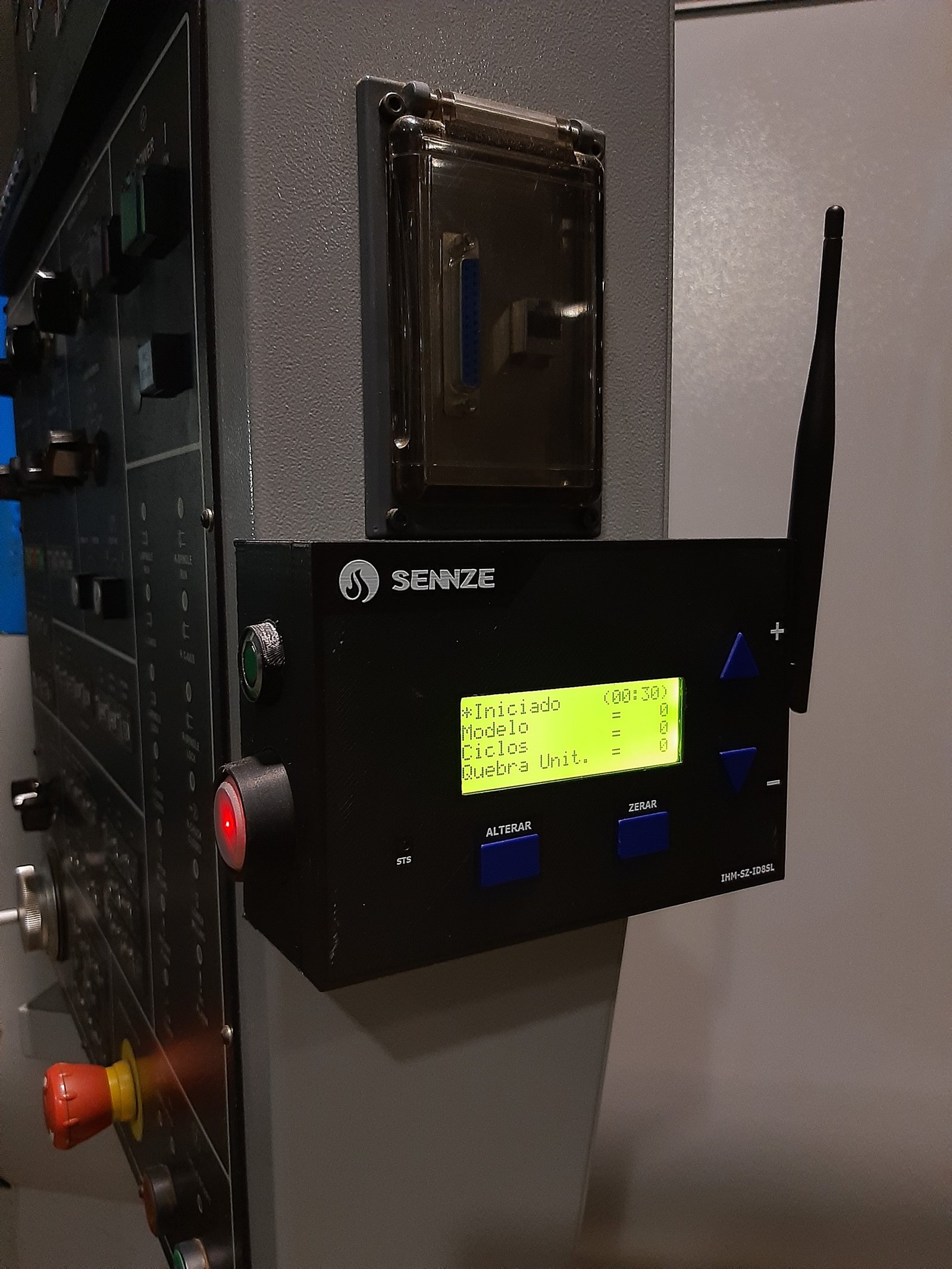
INTEGRATION WITH WHAT IS ALREADY THERE
A machine does not have to be new to be part of digital management
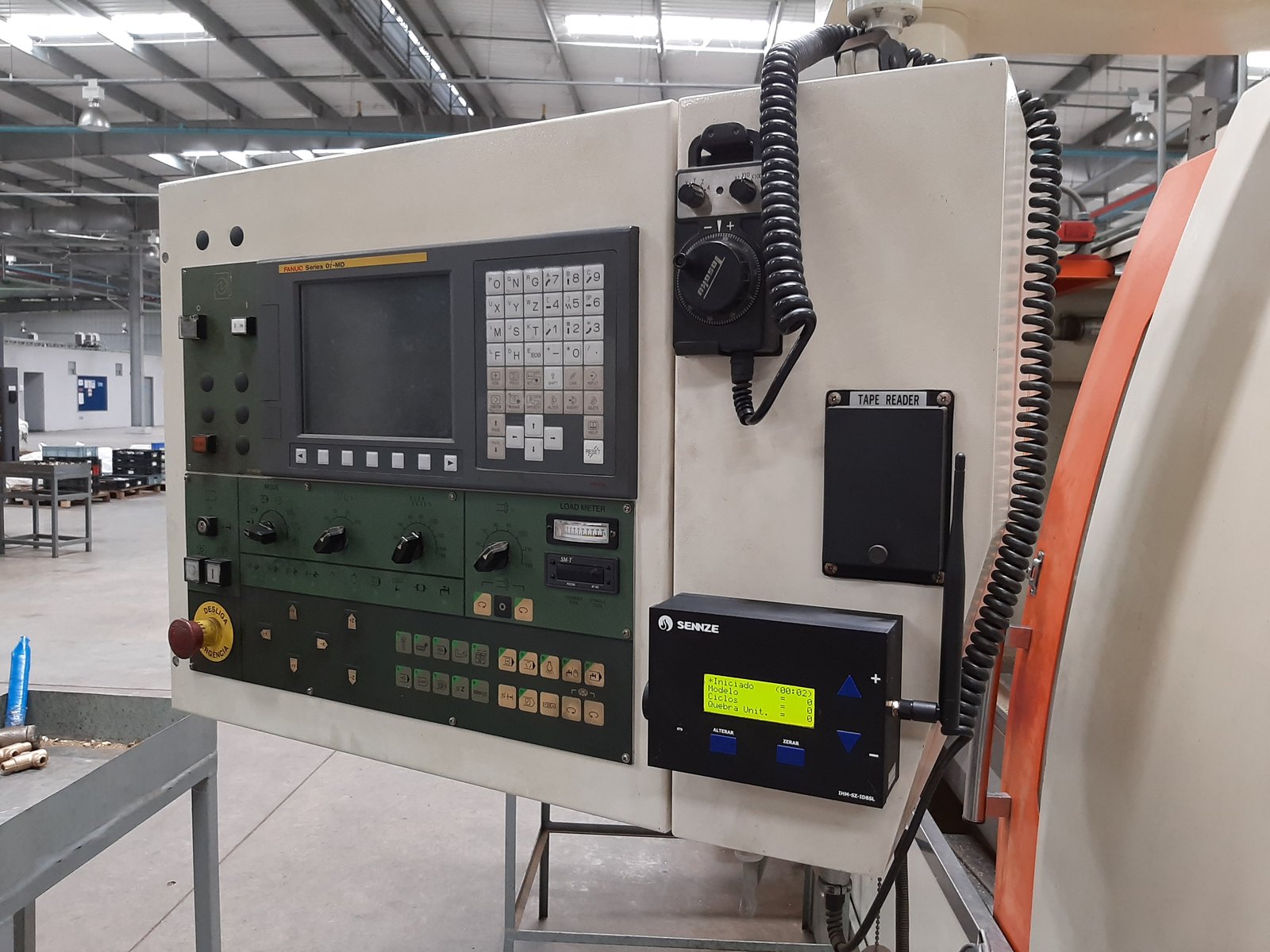
Many of the signals needed to monitor an operation already exist on the equipment: cycle complete, part detected, machine running, alarm, emergency stop, or information available over an industrial protocol.
SENNZE defines the acquisition according to each application, using existing signals, industrial communication or additional sensors where necessary, preserving the installed automation wherever possible.
VIEW OF THE OPERATION
From the machine signal to the context of the shift
The value is in relating the records. The platform organizes what happened, when it happened and in which production context.
Output
Quantity produced, good parts and losses associated with the period.
States and downtime
Timeline of the station's conditions and duration of each state.
Operators
Identification of who was associated with the operation.
Products and quality
Product context and conformity records for the output.
Indicators
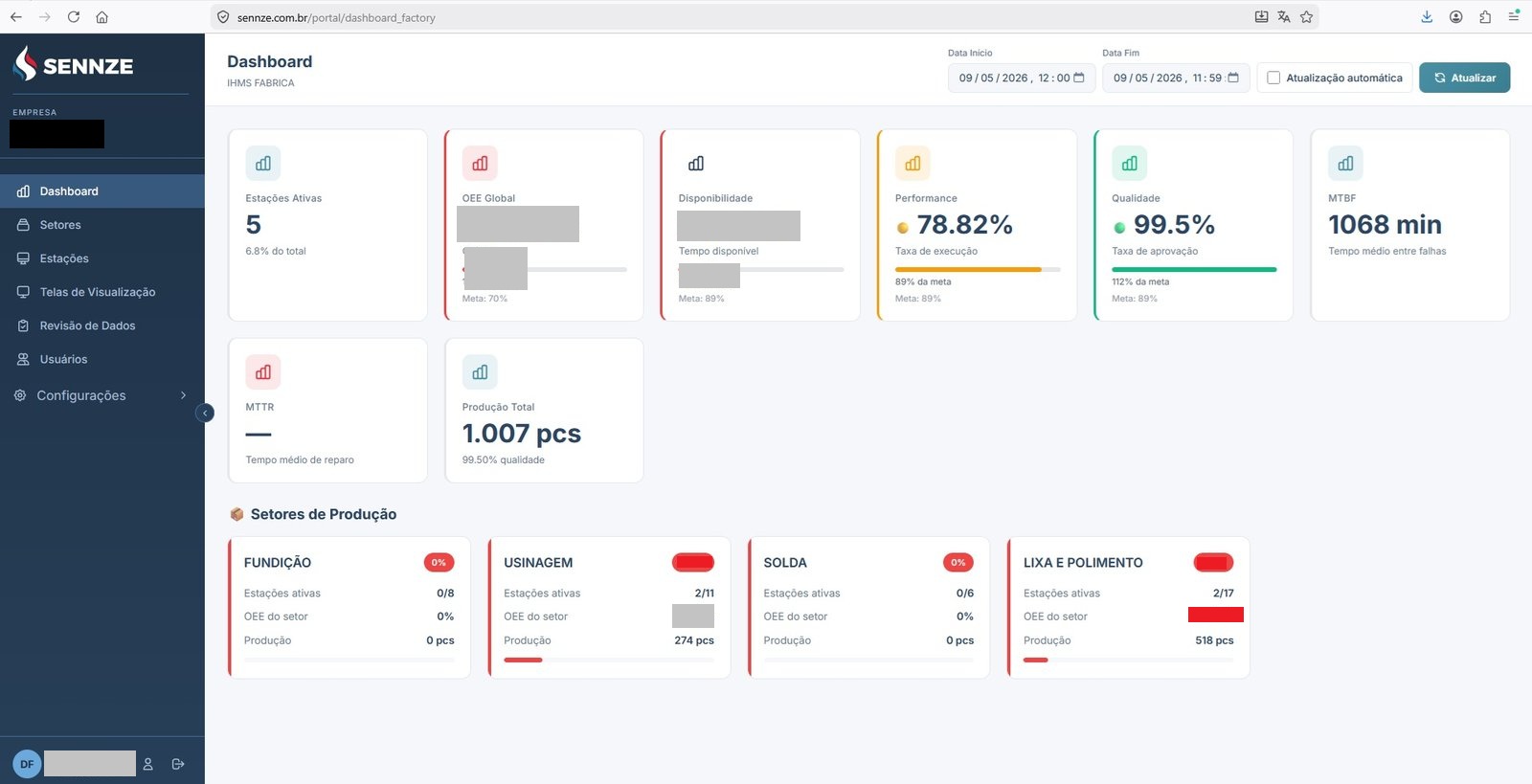
OEE, availability, performance and quality, from the operational data.
Process variables
Physical quantities continuously monitored where they are part of the application.
WHERE THE NETWORK DOES NOT REACH
The communication infrastructure adapts to the plant as well
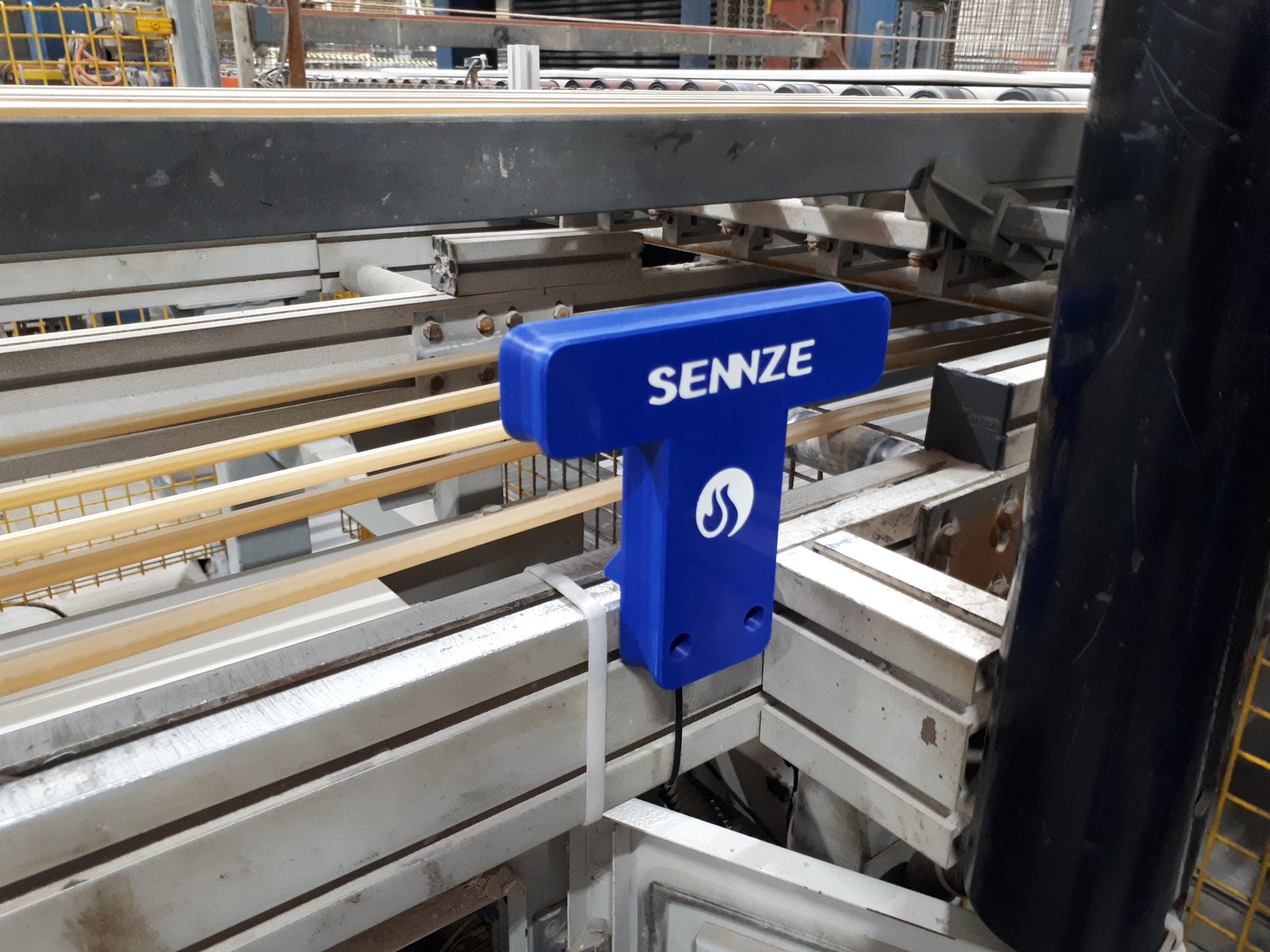
Not every line was designed with a network available at each panel. In those situations, local communication can reduce the need to run infrastructure out to every acquisition point.
SENNZE already runs with multiple field devices concentrating communication into gateways connected to the customer's network. Where the existing infrastructure is enough, it can be used too.
WHEN THERE IS NO SIGNAL TO READ
Manual stations belong to the same operation
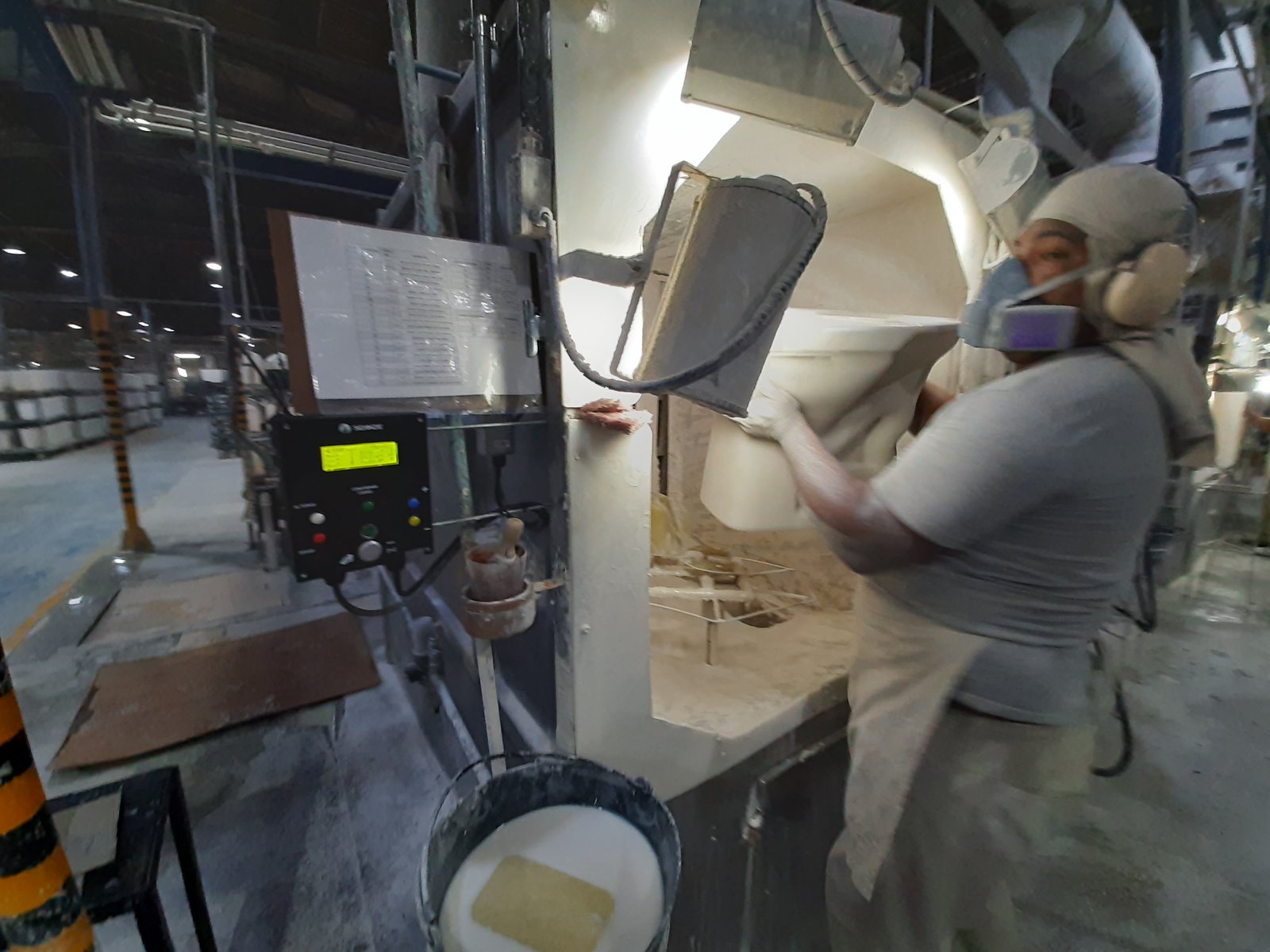
There are processes in which the relevant information depends on a person: manual output, a change of state, operator identification or another operational record.
Those records can enter the same structure used by the automatic data, so that part of the plant does not stay outside the operational view merely for having no electronics of its own.
Automatic acquisition+Operational record→SENNZE base
ONE BASE, DIFFERENT PROCESSES
From the automated machine to the station with no electronics
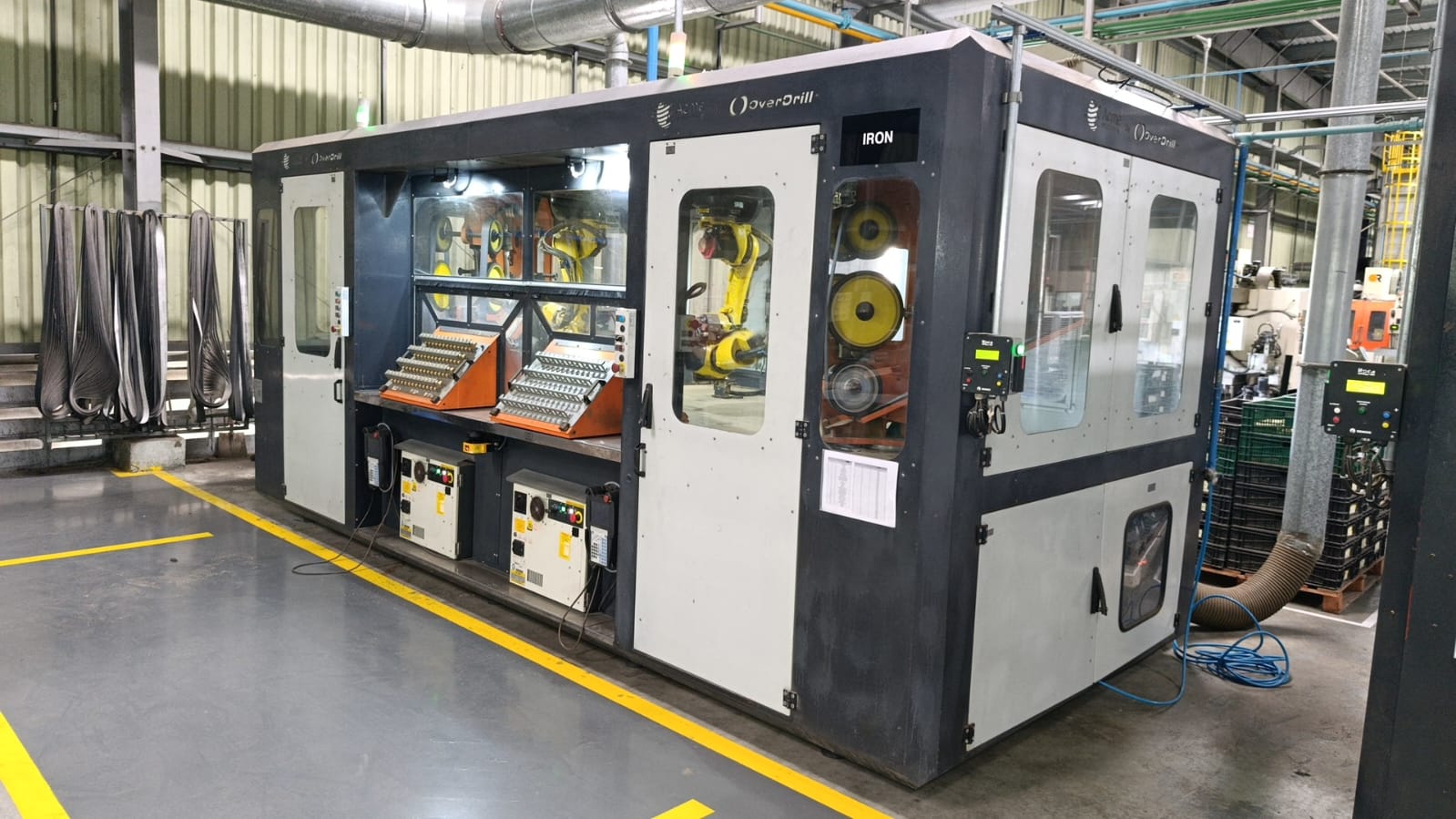
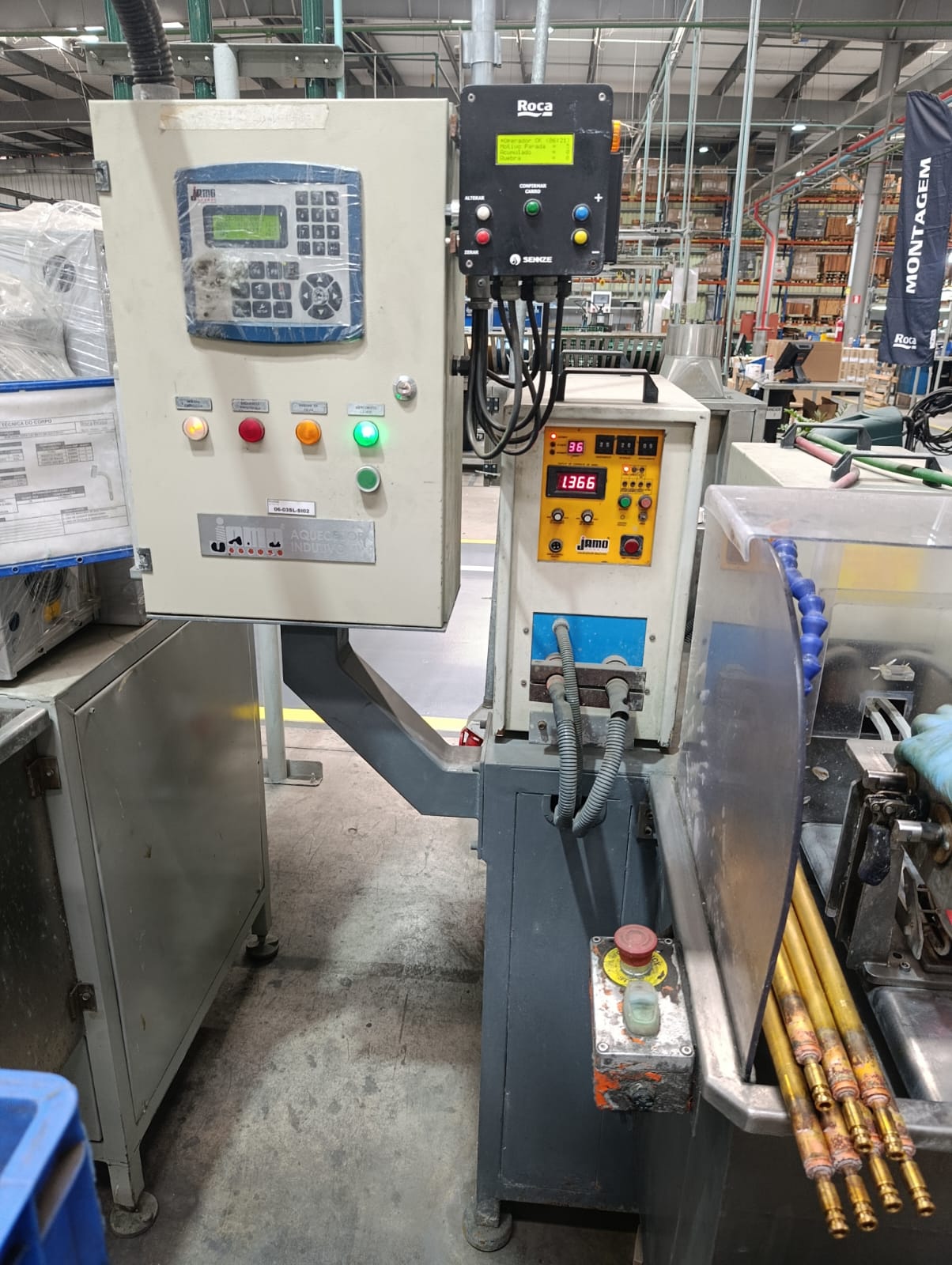
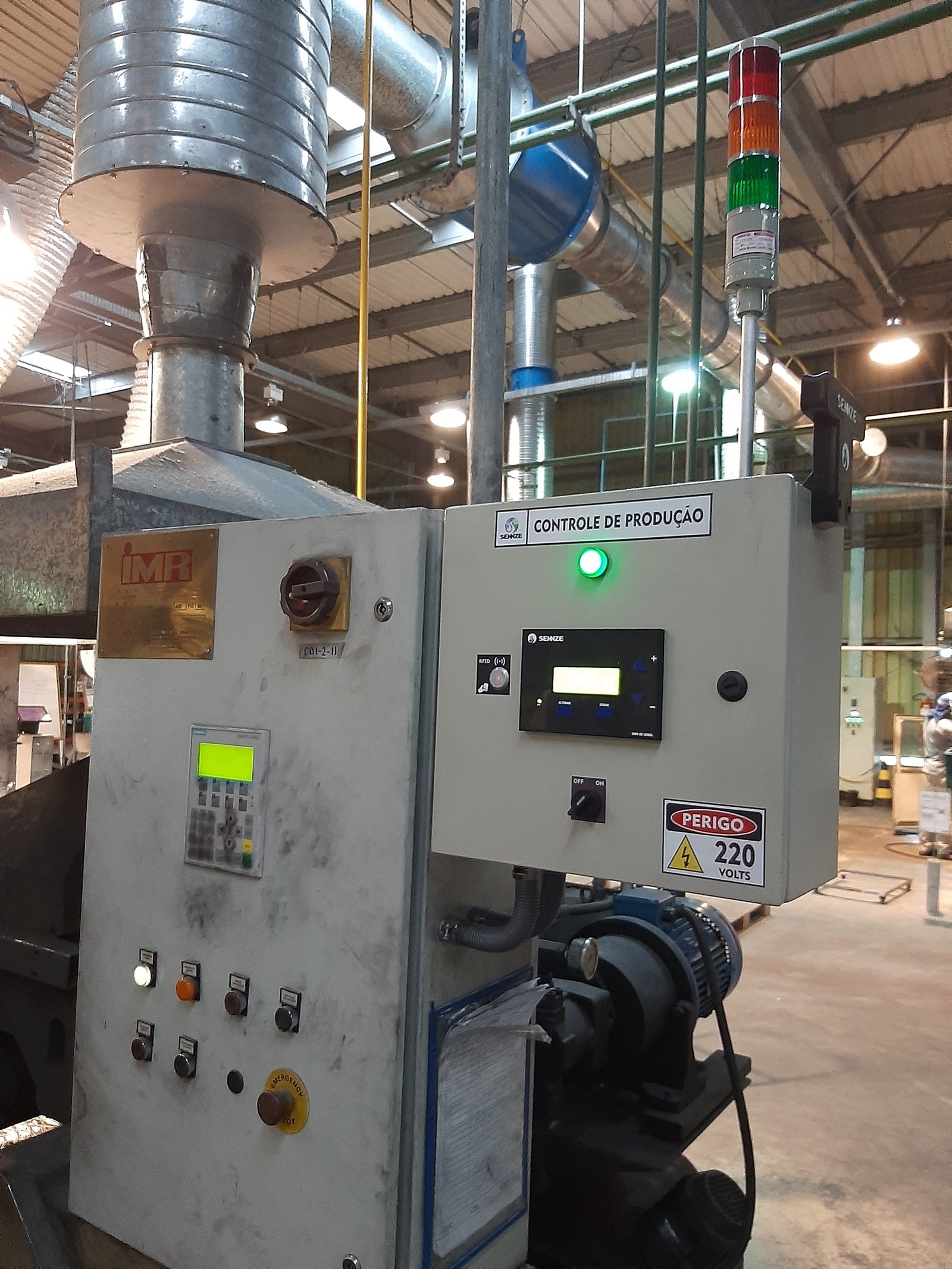
The same architecture has already been applied to very different families of equipment and processes. What changes is how the operation is acquired and interpreted.
INFORMATION GIVEN BACK TO THE OPERATION
The information does not end at management's computer
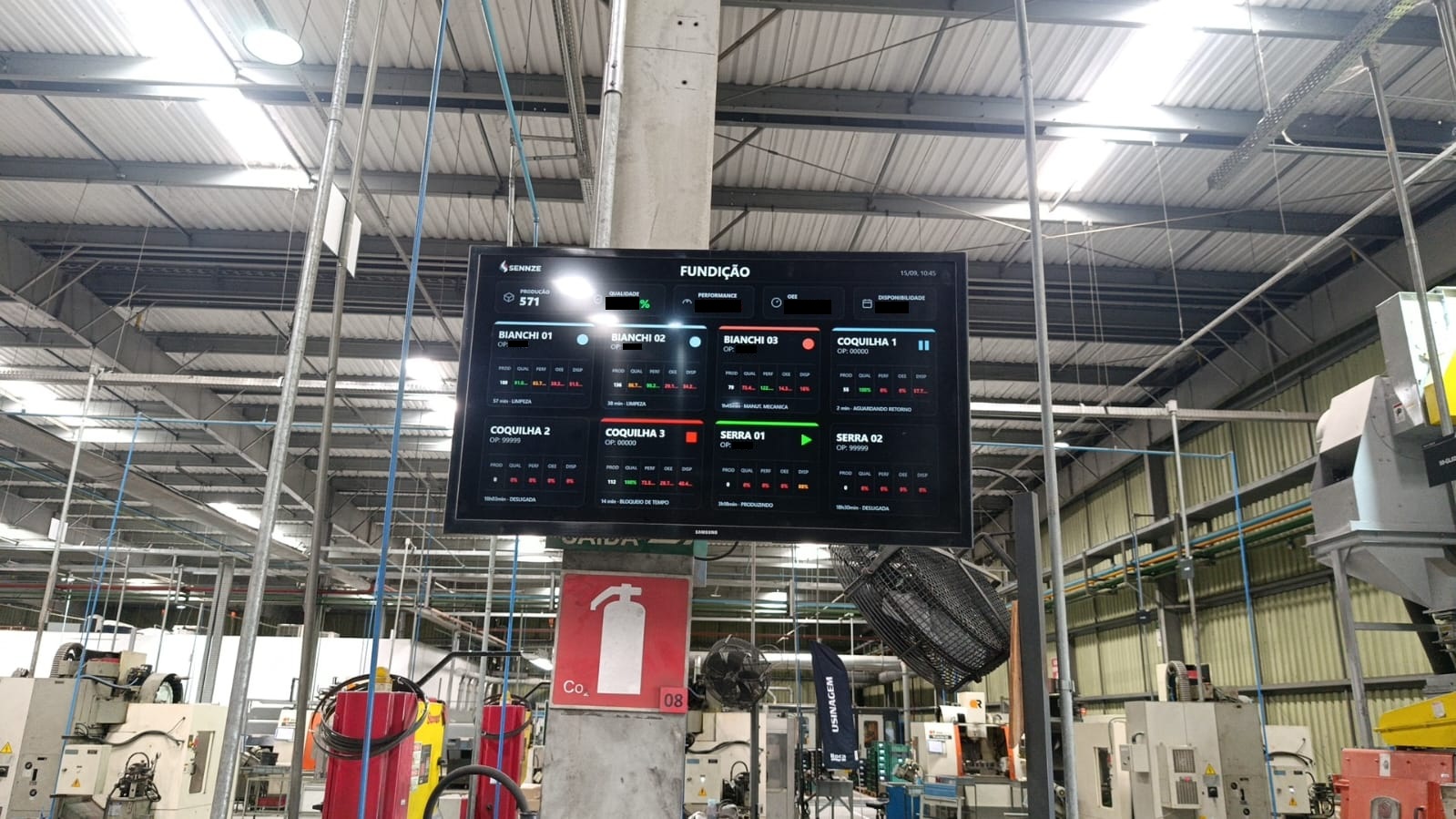
Dedicated dashboards can stay in the production areas, automatically refreshing the indicators relevant to each department. The same base also serves supervision, analysis and management.
LOCAL + WEB ARCHITECTURE
The plant keeps being monitored even without an external connection
Acquisition and processing stay close to the operation. The web layer widens access to the data without turning the internet into a requirement for local monitoring to continue.
OperationMachines · sensors · people
SENNZE acquisitionAutomatic or operational
Local environmentProcessing and storage
Web platformDashboards and analysis
ManagementOperational visibility
SENNZE IN YOUR PLANT
We start by understanding the operation that already exists
Show us the machines, the processes, the signals available and what needs to be monitored. From there we define where to acquire, what to record and how to turn that data into useful information.
Talk to SENNZE